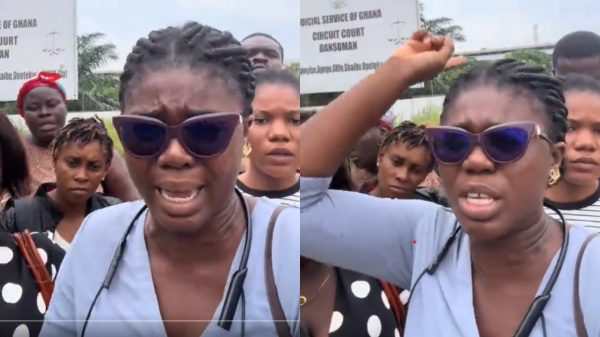



The death of 29-year-old engineer Charles Amissah in April 2026 has reopened painful conversations about the state of emergency healthcare in Ghana, with many citizens questioning whether more lives are being lost because of avoidable lapses within the country’s medical system.
Over the years, several deaths linked to alleged negligence, delayed treatment, poor coordination, and failures in emergency response have sparked public outrage, court battles, and demands for reforms across the health sector.
From Tema General Hospital to Korle Bu Teaching Hospital, these cases have become painful reminders of the consequences of systemic failures in healthcare delivery.
Charles Amissah — Police Hospital, Ridge Hospital and Korle Bu Teaching Hospital (April 2026)
The case of Charles Amissah is currently one of the most talked-about medical negligence controversies in Ghana.
The young engineer was reportedly knocked down near the Circle Overpass in Accra and taken through multiple health facilities, including the Police Hospital, Ridge Hospital, and Korle Bu Teaching Hospital, in search of urgent medical care.

A committee led by Professor Agyeman Badu Akosa later concluded that Amissah did not die instantly from the accident itself but from what it described as “medical neglect” after critical intervention was delayed across the various facilities.
According to the findings, Amissah was still alive during the transfers, but no hospital provided immediate life-saving treatment in time.
The revelations triggered national outrage and led to investigations by the Ministry of Health and the Health Facilities Regulatory Agency. Some staff at Korle Bu were also reportedly interdicted while investigations continued.
Naomi Okyere — Graceyard Hospital Case (2025)
In 2025, the death of Naomi Okyere drew attention to concerns surrounding maternal healthcare in some private medical facilities.
Her husband initiated legal action against a doctor and a hospital, claiming negligence during antenatal care and childbirth management contributed to her death.
The matter generated widespread discussion about patient safety, treatment decisions, and whether the appropriate medical procedures were followed during her care.
Linda Adua — Central Aflao Hospital (September 2024)
Another case that sparked outrage nationwide was the death of Linda Adua, a 39-year-old caterer who reportedly died after delays in receiving emergency treatment at Central Aflao Hospital.
Reports indicated that payment complications allegedly slowed down the process of attending to her, with claims that hospital officials demanded cash payment while mobile money services were unavailable.
Her family later filed a GH¢4 million lawsuit against the facility, accusing the hospital of negligence and administrative failures.
The incident intensified public debate over whether emergency healthcare should ever be tied to payment procedures before treatment begins.
Akua Nyarko Osei-Bonsu — Ridge Hospital (Death in 2019, Court ruling in 2024)
Akua Nyarko Osei-Bonsu lost her life in 2019 after developing complications during childbirth at Ridge Hospital in Accra.
Her husband subsequently sued the hospital alongside the Ministry of Health, Ghana Health Service, and the Attorney-General, alleging failures in surgical and post-operative care.
The case remained in the spotlight for years before the High Court awarded GH¢3 million in damages to the family in 2024, making it one of the most significant medical negligence rulings involving maternal death in Ghana.
Solomon Asare-Kumah — 37 Military Hospital (2019)

The death of Solomon Asare-Kumah also became a major legal and public issue after his family accused the 37 Military Hospital of negligence during treatment for a brain tumour.
According to court documents, a breathing tube was allegedly inserted incorrectly, affecting his oxygen supply and resulting in cardiac arrest.
The family further alleged delays in treatment and equipment-related problems during his care.
Helena Brema Nyamekye — 37 Military Hospital (2015)
In 2015, Helena Brema Nyamekye, a 27-year-old PhD student, reportedly died after severe bleeding during childbirth complications at the 37 Military Hospital.
Court proceedings later suggested that despite signs of complications during labour, requests for a Caesarean Section were not acted upon promptly.
An Accra High Court eventually ruled that the death could have been avoided and awarded compensation to her family.
Patience Somi — Tema General Hospital (January 1998, CHRAJ ruling in 2000)
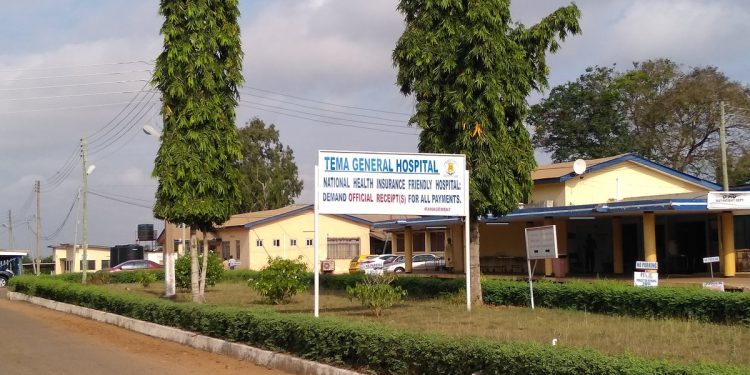
One of the earliest major medical negligence cases in Ghana involved Patience Somi, a pregnant woman who was rushed to Tema General Hospital in January 1998 after experiencing excessive bleeding.
According to findings by CHRAJ, the hospital failed to provide immediate medical attention because the doctor on night duty had allegedly left before the end of his shift while the next doctor had not yet arrived.
By the time surgery was performed, both Patience Somi and her unborn child had died.
In 2000, CHRAJ ruled that the hospital’s actions amounted to a violation of her constitutional right to life, making the case one of Ghana’s landmark rulings on medical negligence.
Persistent Questions About Ghana’s Healthcare System
Although each incident occurred under different circumstances, many of the concerns raised remain strikingly similar: delayed emergency response, overcrowded facilities, staff shortages, poor communication, referral challenges, and alleged disregard for urgent medical protocols.
For many Ghanaians, the Charles Amissah case is not simply another tragic headline. Instead, it has become a symbol of a deeper crisis within the healthcare system and a reminder that for some patients, reaching the hospital still does not guarantee immediate life-saving care.